The recruiting process can feel arbitrary. Two athletes with similar ability often have completely different outcomes — one signs with a program they've dreamed about for years, the other signs with their safety school or doesn't sign at all. From the outside, it looks like luck.
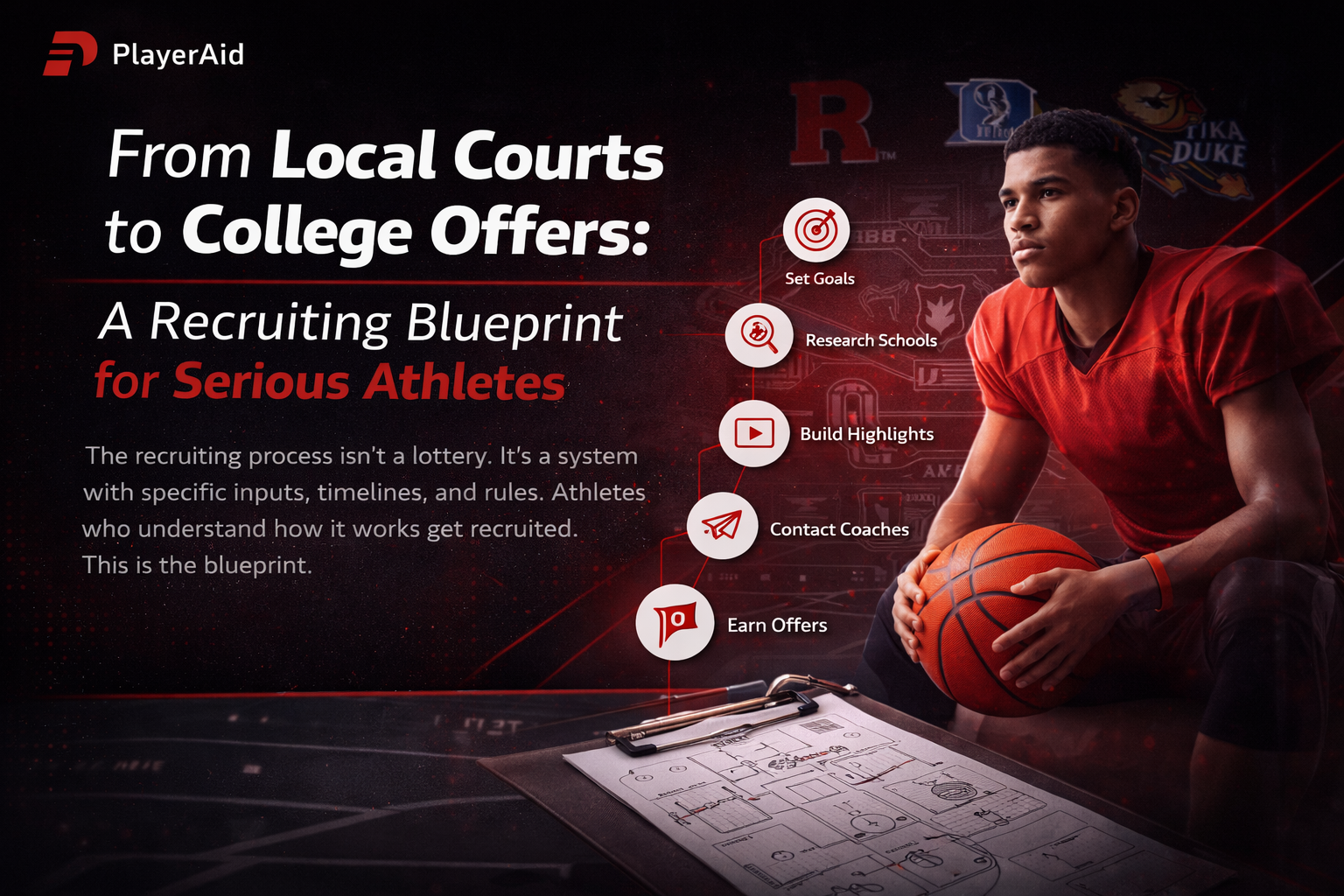
It isn't luck. It's systems.
The athletes who get recruited — and who get recruited well — have almost universally done a few things right that their peers haven't. They understood the timeline. They went where coaches were watching. They made it easy for programs to evaluate them. And they managed their own process instead of waiting for the process to find them.
This is the blueprint for athletes who are serious about playing at the college level.
Understanding What Coaches Are Actually Doing
Before you can navigate the recruiting process effectively, you need to understand how coaches spend their time and what they're optimizing for.
A college coaching staff is simultaneously managing their current roster, scouting for immediate needs (players who can contribute next season), and projecting needs two and three years out. Each slot they offer represents a significant commitment of scholarship money, roster space, and developmental time.
When they look at a recruit, they're asking three questions in rough sequence:
- Does this athlete have the measurables we need? Is the size, speed, and athleticism there? This is the filtering stage — most recruits are eliminated here.
- Does the film show the skill and IQ we need? Can this athlete do the things our system requires? Can they process the game quickly enough to thrive at our level?
- Is this a person who will make our program better? Academic standing, character, coachability, work ethic. Programs that recruit well take this question as seriously as the first two.
Your entire recruiting strategy should be designed around giving coaches what they need to answer these three questions in your favor.
The Recruiting Timeline by Year
Freshman Year: Foundation Building
Freshman year is not too early to start, but it's also not the time to be reaching out to coaches. The priority is building the foundation that will matter later.
Focus on:
- Getting measurably better. Everything in recruiting is relative. The question isn't whether you're good — it's whether you're good enough to play at the level you're targeting. Identify your current performance gaps and attack them systematically.
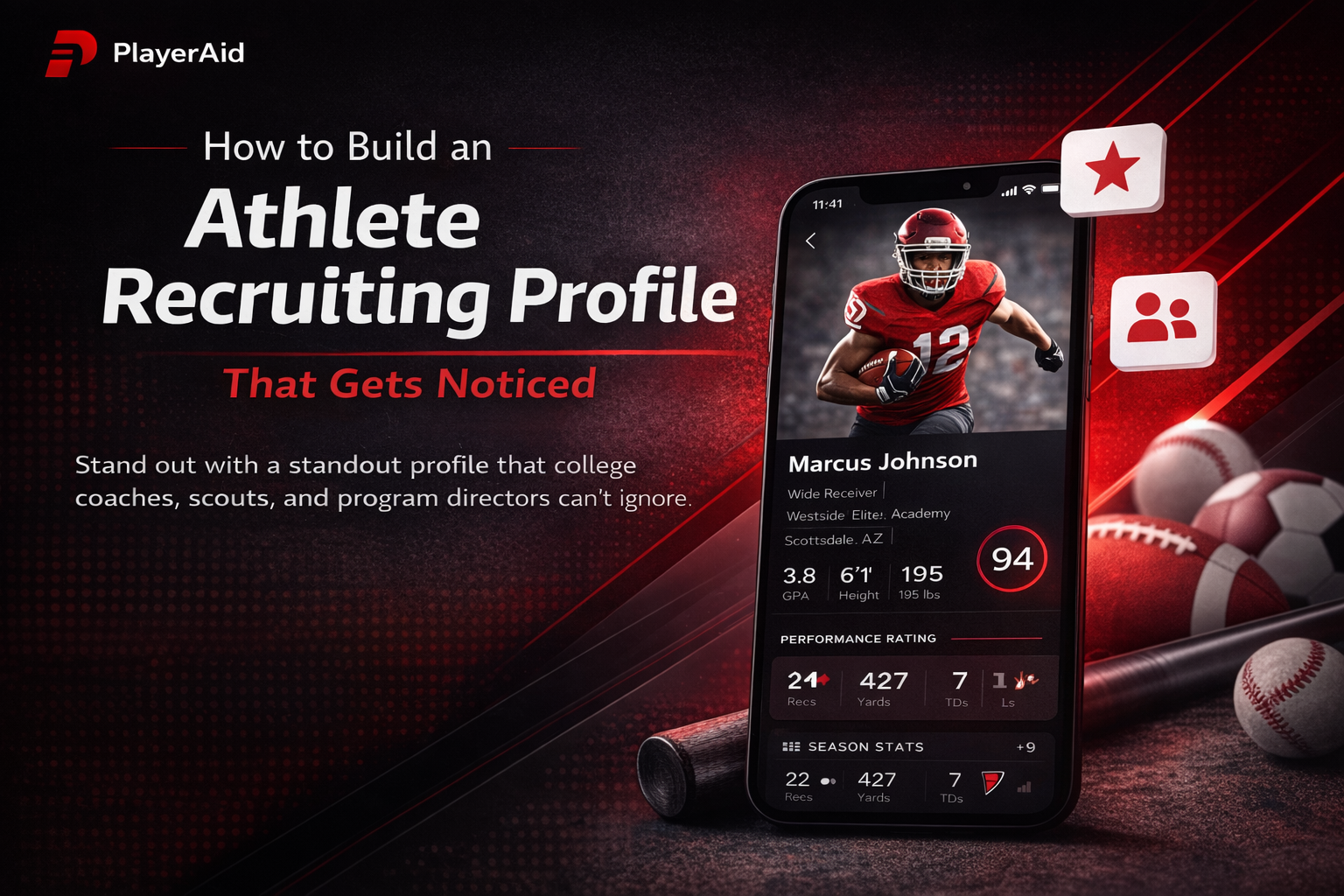
- Starting your athlete profile. Establish your digital presence — not social media posturing, but a legitimate athlete profile that tracks your metrics, film, and statistics. The data you collect freshman year gives you a baseline to show growth.
- Getting your academics in order. NCAA eligibility requirements are non-negotiable. Research them, understand them, and build habits that keep you on track. A 3.8 GPA at the end of sophomore year doesn't fix a 2.1 GPA freshman year.
- Identifying target programs. Start making a list. Where do you want to go? What size school? What academic programs interest you? What competitive division? These answers will focus your energy.
Sophomore Year: Building Visibility
Sophomore year is when you start getting in front of coaches in controlled settings.
Attend camps at your target schools. Prospect camps — where college coaches can legally evaluate you and interact with you in a structured setting — are invaluable. They give coaches a chance to see you compete, to have a conversation with you, and to start building a file. Go to multiple camps. Go to camps at schools where you're not sure you'd get an offer — the evaluation feedback is worth the entry fee.
Get on showcase and travel team rosters. For most sports, the primary evaluation environment isn't your high school team's games — it's club and travel competition where scouts and coaches from multiple programs are in the same place at the same time. AAU basketball, travel baseball showcases, soccer club competition — wherever your sport's recruiting exposure happens, you need to be there.
Start building your video library. Not just highlight reels — full game film. Organize it by date, opponent, and competition level. You want coaches to be able to watch you in context, not just in the clips you've curated.
Start reaching out to coaches. NCAA rules govern when coaches can contact you, but nothing stops you from contacting them. A well-written email with a link to your profile, your key statistics, and a highlight reel is appropriate and expected. Keep it short. Make it easy to act on. Follow up if you don't hear back.
Junior Year: The Critical Window
Junior year is when the real action happens. Most programs make a significant portion of their recruiting decisions during the junior evaluation period.
By the start of junior year, you should have:
- A complete, current athlete profile with film, statistics, and measurements
- A clear list of target programs by division (A list, B list, C list)
- Established email contact with coaches at your target schools
- At least one camp visit at a top-priority school
During junior year:
Get on coaches' radars before the evaluation period starts. Coaches who already know your name before they see you compete will watch your film before the weekend is over. Coaches who don't know you might not watch it for weeks.
Compete in the right environments. Research where the coaches from your target programs are planning to be. Structure your schedule around those events. This is where a travel or club coach who has relationships with college programs is invaluable — they can tell you which tournaments get the right eyes.
Visit campuses. Unofficial visits — which you pay for yourself — are appropriate at any time. Schedule a visit to your top schools, sit in on a practice, talk to current players. You're evaluating them as much as they're evaluating you.
Respond to every coach who contacts you. When a program sends you questionnaires, expresses interest, or invites you to visit, respond promptly. Your responsiveness signals your level of interest and your professionalism.
Senior Year: Decision Time
By the start of senior year, your recruiting process should be largely concluded — or in its final stages. Athletes who are still broadly marketing themselves senior fall are often behind the timeline for the programs they're targeting.
If you have offers: evaluate them honestly. Visit every school you're seriously considering. Talk to current players — not the coaches, the players. Ask hard questions about academic support, development philosophy, playing time expectations, and what happens if the coaching staff turns over.
If you don't have offers at your target level: adjust your list. The hardest thing in recruiting is accepting that the market has told you something. A player who targets D1 exclusively and ends the process with no D1 offers has often missed real D2 or D3 opportunities in the process. Cast a wide net early, so you have options.
Making Your Profile Do the Work
The best athlete profiles are complete, current, and easy to act on. Coaches should be able to look at your profile and have 80% of what they need to make a preliminary evaluation decision.
That means:
- Current film, labeled clearly — date, opponent, competition level
- Current statistics — this season's numbers, not last year's
- Physical measurements — height, weight, position-specific metrics
- Academic information — GPA, test scores, intended major
- Contact information for your high school and club coaches — programs will call your coaches before they offer you
The QR player card that PlayerAID generates is specifically designed for recruiting contexts. You can share it via email, text, or in person at camps, and coaches can pull up your complete, current profile immediately on their phone — no login required, no friction.
Building Real Relationships with Coaches
The best recruiting outcomes happen when both sides have developed a real relationship — not just a transaction.
The athletes who sign with their best-fit programs tend to have coaches who know them, not just their film. They've had multiple conversations over multiple months. They've visited the campus and met the staff. They understand what they're committing to.
Invest in those relationships early. Be consistent. Follow up when you say you will. Show coaches who you are, not just what you can do athletically. The programs that are making offers they feel great about are offering athletes they believe in as people — not just statistics they need to fill.
The recruiting process rewards athletes who treat it like a serious endeavor. Take it seriously.
PlayerAID's recruiting tools give athletes complete control over their visibility — from a dynamic athlete profile that coaches can access instantly, to AI-powered program matching that surfaces opportunities your network might never find.